
Whether you’re heading into a downtown boardroom, dressing for a wedding at a Kansas City venue, or trying to look more put-together for a Saturday on the Plaza, the way you dress sends a message before you say a word.
Good style isn’t about owning the trendiest pieces or spending the most money. It’s about understanding fit, proportion, color, and occasion well enough that getting dressed becomes second nature.
Below is the ultimate style guide built for Kansas City men who want to actually understand menswear, not just follow a checklist. We’ll cover the foundations of personal style, how clothes should fit your body, how to coordinate pieces so your wardrobe works together, and how to dress for the seasons, celebrations, and dress codes you’ll run into living and working here.

Finding A Personal Style That Fits Your Kansas City Life
Personal style is often misunderstood as something you either have or don’t. In reality, it’s a skill you build through exposure, experimentation, and paying attention to what works for your body and your life.
Start by thinking honestly about how you spend your time. A commercial real estate broker has very different dressing needs than a creative director, even though both might need a great suit for client meetings. Kansas City’s business culture blends traditional Midwestern polish with a slightly more relaxed, practical edge, and your personal style should reflect that.
A good way to begin is by auditing what you already own. Sort your closet into three piles: pieces that fit well and you reach for often, pieces that fit poorly or rarely get worn, and pieces you’re unsure about. This tells you more about your personal style than browsing lookbooks ever will.
From there, build outward from a core of versatile basics: a couple of quality suits, a few sport coats, well-fitted dress shirts, and proper trousers before adding more expressive pieces. Personal style develops over years, not weeks.

Why Fit Makes Or Breaks Every Outfit
If there’s one principle that separates a man who looks sharp from a man who simply owns nice clothes, it’s fit. Even an expensive suit that doesn’t fit will always look worse than an affordable one that’s tailored correctly. Fit affects how confident you feel, how the fabric drapes, and how the entire outfit reads to the people around you.
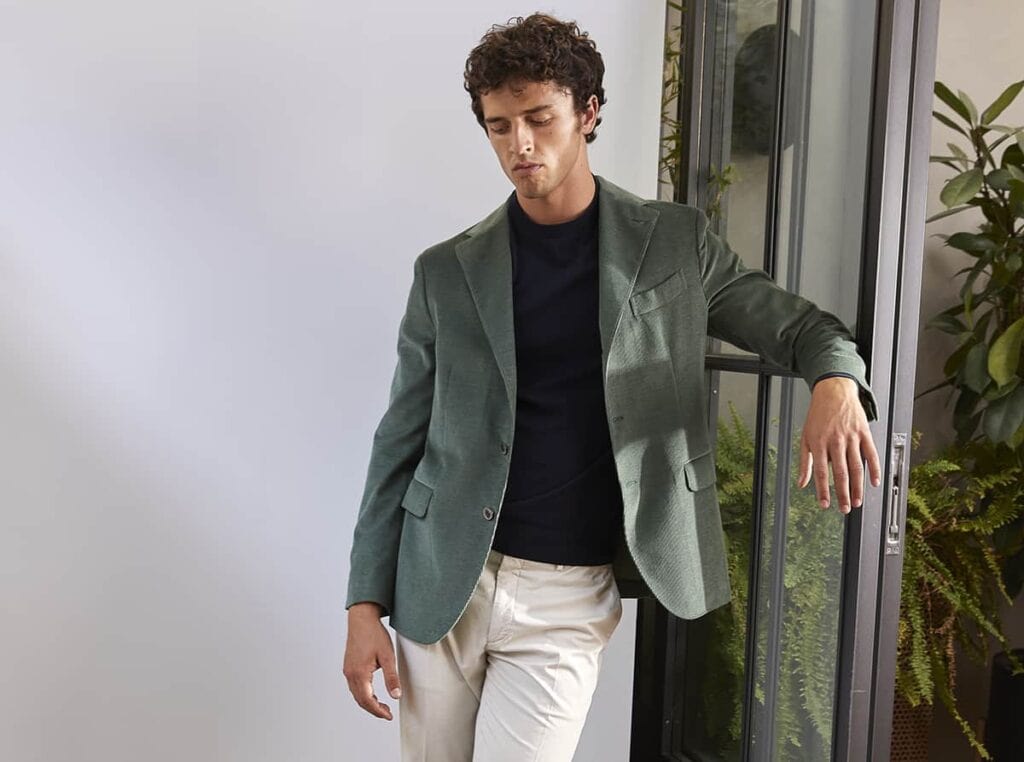
Good fit comes down to a handful of checkpoints. On a jacket, the shoulders should lie flat with no pulling or divots, the collar should sit against your neck without gapping, and the sleeve should end around your wrist bone, showing a quarter to half inch of shirt cuff. The jacket should close comfortably with one button without straining across the chest or bunching at the waist.
On trousers, the waistband should sit comfortably without a belt doing all the work, and the break should be intentional, whether you prefer no break, slight break, or a fuller break. Shirts should allow you to move your arms without pulling across the back, while still close enough through the body that it doesn’t look baggy under a jacket.
Because so few men are a perfect standard size, alterations are a normal part of building a wardrobe, not a luxury reserved for special pieces. A good tailor can take in the waist, shorten sleeves, or adjust a trouser break in a way that transforms how a garment looks and feels.
Proportion & Tailoring: The Details Most Men Overlook
Fit and proportion are related but not identical. Fit is how a garment matches your measurements. Proportion is how the different elements of your outfit relate to each other and to your frame.
A taller man can typically carry a longer jacket and wider lapels without looking overwhelmed, while a shorter man often looks more balanced in a shorter jacket and narrower lapel. Trouser rise and leg shape should be chosen with your torso-to-leg ratio in mind, not whatever’s trending.
A longer torso may call for a higher rise to avoid looking off-balance, while a shorter torso might suit a mid-rise that doesn’t compress the leg line. Fit gets you in the door, but tailoring is what actually closes the gap between off-the-rack and exceptional.
A common question we hear is when tailoring is necessary versus optional. The honest answer is that almost everything benefits from at least minor tailoring. A jacket with good shoulders but a loose body needs it, as do trousers with the right length but baggy thigh.
The pieces that typically need the most attention are jacket sleeve length, trouser hem and break, and waist suppression. If you’ve never had a garment professionally tailored, choosing custom tailored suits or sport coats is one of the highest impact style investments you can make.

How To Master Color & Pattern Without Overthinking It
Coordinating an outfit isn’t about matching everything perfectly. Instead, it’s about creating intentional contrast and harmony. A simple framework many stylists use is one dominant color with one or two supporting colors, and an accent.
Navy, charcoal, and other neutrals form the backbone of most well-dressed wardrobes because they pair easily with almost everything, including patterns. When you’re ready to bring in pattern, start small: a subtly striped shirt under a solid jacket or a textured tie against a plain shirt.
As you get more comfortable, you can layer multiple patterns as long as the scale of each is different. A fine pinstripe with a large windowpane check looks more intentional than two similarly sized patterns, which visually compete.
Color theory matters too. Colors near each other on the color wheel, like navy and steel blue, feel calm and cohesive. Colors across from each other, like blue and orange, create energy and work best as a single accent. When in doubt, anchor your outfit in neutrals and use color in small doses through a tie, pocket square, or shoes.
How Suits, Sport Coats, Shirts, Trousers & Shoes Work Together
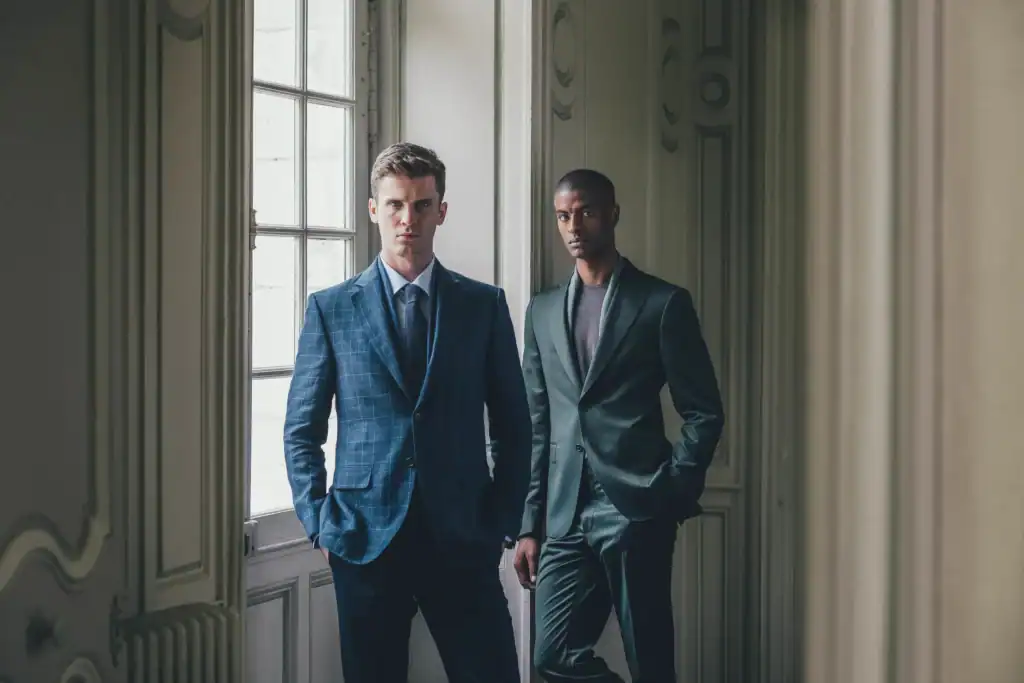
Once you understand fit and coordination individually, the next step is learning how entire outfits come together as a system. Each category of clothing has its own role to play:

Business Attire Vs. Business Casual – Decoding Kansas City’s Dress Codes For Work
Few questions can cause more confusion than the line between business attire and business casual, and the answer often depends on industry and company culture, which can vary block by block in Kansas City.
Business attire generally means a full suit, dress shirt, tie, and dress shoes. This is still the standard for law firms, finance/financial services, and many client-facing roles. Business casual, on the other hand, allows more flexibility: a sport coat or blazer with dress trousers or chinos, a button-down or quality knit shirt, and leather shoes, without a tie required.
Business casual is one of the most loosely defined dress codes, which is exactly why it trips people up. It contains “casual” but business casual looks should still possess a level of polish and sophistication.
The safest approach for dressing in business casual attire is to dress one notch above what you think the room requires. A sport coat with chinos and knit polo reads appropriately in almost any business casual setting.

Black Tie, Formal, or Semi-Formal? Nailing Kansas City’s Biggest Occasions
Formalwear follows its own set of rules, and Kansas City sees plenty of occasions that call for it, from black-tie galas to weddings at venues throughout the city. Knowing the difference between black tie, formal, and semi-formal can save you from showing up under or overdressed.
Dressing For Kansas City’s Four Unpredictable Seasons
Kansas City’s climate is a genuine styling challenge, switching from humid 90-degree summers to bitterly cold winters, often with dramatic shifts in between. Dressing well here means thinking seasonally about fabric weight, not just aesthetics.
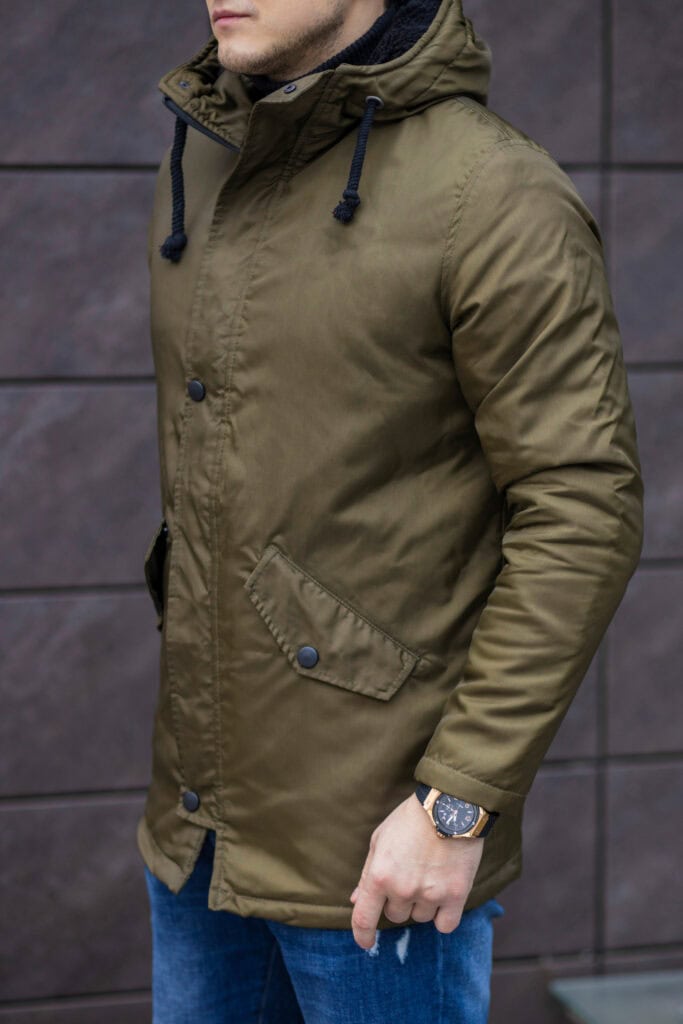
In spring and fall, lightweight wool and wool-blend fabrics in mid-weights work well, since temperatures can shift drastically in a day. Layering becomes essential: a sport coat over a sweater or a versatile outerwear piece you can add or remove.
Summer calls for breathable fabrics like lightweight wool, linen, or cotton blends, since Kansas City humidity can make heavier fabrics uncomfortable by midday. Winter is where a proper overcoat earns its place by keeping you warm on the walk from a parking garage to an office downtown while elevating the entire look.

What Separates A Good Fabric From A Great One
Fabric quality affects how clothing looks, feels, and lasts more than almost any other factor. Natural fibers like wool, cotton, and linen outperform synthetic blends in breathability, drape, and longevity, even at a higher price.
For suits and sport coats, wool remains the gold standard for how well it holds a crease, resists wrinkling, and regulates temperature across seasons. Finer wool feels softer but can be less durable, so a mid-weight wool often balances comfort and durability best for regular wear.
For dress shirts, look for premium, long-staple cotton, which weaves smoother and more durably than shorter-staple alternatives. Learning to read a fabric label is one of the most underrated style skills, since it lets you make smarter decisions at every price point.
At Peters Clothiers, we specialize in high-end fabrics and offer them exclusively. If you have any questions about fabric or which would be best for your wardrobe and style, we’re here to help and lend our expertise.

Ties, Belts, and Watches: Getting the Finishing Touches Right
The right accessories take an outfit from fine to genuinely well put-together. A leather belt that matches your shoes, a watch that suits the formality of your outfit, and a tie or pocket square in a complementary color all contribute to a finished look.
Ties should generally end at your belt buckle, and the tie’s width should roughly match your jacket’s lapel for visual balance. Pocket squares don’t need to match your tie exactly, and a slight contrast often looks more intentional than an exact match.
For business settings, a quality leather watch strap typically reads more polished than a sport or rubber band. Even small details, like keeping your shoes polished and your belt in good condition, signal the kind of attention to detail people notice without being able to say exactly why.

Style Mistakes Even Well-Dressed Kansas City Men Make
A handful of mistakes show up again and again, even among men who care about how they dress. Wearing clothing that’s simply too large is the most common, from an outdated assumption that looser equals more comfortable. In reality, properly fitted clothing tends to be more comfortable and more flattering than oversized pieces.
Other frequent missteps include: mismatched formality, like pairing a casual sneaker with a tailored suit, neglecting alterations on off-the-rack pieces, and overlooking maintenance such as pressing and polishing.
Buying based on trends rather than personal fit and lifestyle is another common trap, leading to closets full of pieces that never get worn. The good news is that every one of these is fixable once you understand the principles behind fit, proportion, and coordination covered throughout this guide.
Frequently Asked Questions On Kansas City Men’s Style
A specialty store like Peters Clothiers gives you something a website or big-box retailer can’t: a trained eye. Instead of guessing your size from a chart, you get a real fitting, in-house tailoring, and guidance on how a new piece actually works with what’s already in your closet.
For investing in your style long-term, hands-on expertise tends to save you from costly mistakes and it’s the difference between buying a piece of clothing and building a wardrobe.
Visit Peters Clothiers & Put This Guide To Work

Understanding the principles in this guide to men’s style in Kansas City is the first step. Putting them into practice is where the real difference shows up, and that’s where having a knowledgeable team in your corner matters.
At Peters, we work with Kansas City men every day to build wardrobes around proper fit, smart coordination, and pieces that suit their lives, from everyday business attire to once-in-a-while formalwear.
Whether you’re starting from scratch, refining a wardrobe you already have, or shopping for a specific occasion, our team helps you put everything above into practice. To get started, please visit our store or Contact Peters Here Today!